Construction Worker Safety Guide
Construction sites are dangerous places to be. There’s a safety hazard awaiting innocent and unsuspecting workers in every corner. For this reason, clear and elaborate safety protocols have been put in place by agencies such as OSHA (Occupational Safety and Health Administration) to protect construction workers.
Home » Construction Worker Safety Guide
Currently, about 7 million Americans go to work at a construction site every day. Although construction has been a crucial sector in the U.S. economy for decades, construction worker safety is still a new and evolving concept. It wasn’t until 1971 that agencies like OSHA (Organizational Safety and Health Administration) were formed. While tremendous steps have since been made to ensure construction workers are safe on the job, there’s still a long way to go.
In this in-depth guide, we’re going to tell you everything you need to know about construction workplace safety, including anything that’s not highlighted in the standard OSHA regulations.
What is Construction Worker Safety?
Construction Worker Safety is providing a safe work environment, secure procedures, and safety equipment in a construction site to ensure workers’ health and safety. While employers certainly have a moral obligation to provide a safe and conducive construction environment for workers, some turn a blind eye to this obligation altogether.
They fail to understand that an unsafe construction worksite can pose severe legal and financial consequences to them as well. To that effect, construction employers should treat workplace safety as a crucial and indispensable occupational responsibility, not an afterthought.
What Risks Do Construction Workers Face?
Nearly 7 million people go to work at approximately 252,000 construction sites across the U.S. each day. On the job, these workers face a wide range of occupational safety hazards and have a high catastrophic injury risk. According to the Occupational Safety and Health Administration (OSHA), the fatal injury rate for the construction industry is higher than the national average for all other industries.
Although OSHA implements standards to help keep working conditions in sites safe, construction accidents still happen. And when they do, they are often severe or fatal. Here are some of the most common risks on a construction site:
Working from Heights
When building and demolishing structures, construction workers are required to work from dangerous heights. Statistics indicate falls in the workplace as the leading cause of fatalities in the construction industry. In 2018 alone, falls from heights accounted for 320 out of 1,008 construction fatalities.
Ladder falls are particularly deadly. In 2020, work ladder falls accounted for approximately 22,710 severe injuries and 161 fatalities in the United States. Falls from construction ladders may occur when:
- Using a ladder beyond its maximum load
- Using the wrong type of ladder for a task
- A ladder is structurally damaged, including broken or missing rungs, cleats, or steps, missing or damaged safety devices, and split or bent side rails
- Improperly training workers on ladder safety
Electrical Incidents
It’s not uncommon to find a construction project involving heavy electricity usage. In such a case, the construction staff might be prone to multiple shock and electrocution hazards. According to OSHA statistics, 8.6% of construction workers died from electrocution on the job site in 2019. The severity of the injuries sustained from electrocution—ranging from shock, fractures, burns, and even death—depends on the amount of electrical current exposure. More often than not, electrocution at a construction site occurs due to:
- Worker contact with live power lines
- Overloaded or unapproved extension cord wires
- Inadequate or improper ground-fault protection
- Missing or discontinuous path to the ground
- Wet conditions (rain, puddles, sweat) on the job site that allow for a more significant current to flow through the human body upon contact
Slipping & Tripping
A construction worker must work in a wide range of terrains. A construction worker can very easily slip or trip—resulting in a fall—from holes in the ground to work on buildings at various stages of completion.
In 2019, slips, trips, and falls were the most frequent fatal events in the construction industry, representing 37% of fatalities (418 of 1102). Substances and items that may cause a slip or trip accident on a construction site include:
- Water
- Mud
- Oil and grease
- Wires, cords, and cables
- Clutter and debris
- Gaps in a walking surface
Caught-in or Caught-between Incidents
On construction sites, caught-in and caught-between accidents happen due to collapsing materials, getting caught between two vehicles or equipment parts, or between a moving object and a fixed object. Between 2011 and 2015, caught-in and caught-between injuries increased by a whopping 33%. In the same period, 275 workers lost their lives. Caught-in or caught-between accidents also accounted for about 2.5% of workplace deaths in 2019. Other standard safety risks on construction sites include:
- Material handling (including moving or lifting heavy objects)
- Burns
- Airborne dust
- Scaffold-related injury
- Exposure to toxic materials (e.g., leads, chromium, cadmium, and asbestos)
- Vibration-related injury
Struck by an Object
Struck-by injuries occur when a moving object, piece of equipment, or vehicle hits a worker. According to a report by the CPWR (Center for Construction Research and Training), the private construction industry reported 20,600 nonfatal struck-by injuries in 2019, which accounted for 25.8% of all nonfatal injuries in the industry that year.
Exposure to Excessive Noise
Much of the equipment used on a construction site generates high levels of noise. Prolonged exposure to loud noise can cause irreversible hearing loss. While this hearing loss could occur from a single powerful explosion, it often happens over time due to repeated exposure to moderate noise. According to OSHA, eight-hour exposure to noise levels over 85 decibels can cause hearing damage over time. For context, forklifts produce up to 93 decibels of noise, while jackhammers, graders, and chain saws all produce over 100 decibels.
Long Term Diseases Construction Workers Face
Beyond the typical on-site injuries, construction staff may also suffer long-term diseases due to prolonged exposure to dangerous machinery, equipment, and materials. These may include, but are not limited to:

Hearing Loss
A whopping 50% of construction workers have noise-induced hearing loss.

Musculoskeletal Disorders
40% of construction workers suffer musculoskeletal disorders (e.g., muscle or tendon strain, Tension Neck Syndrome, Carpal Tunnel Syndrome, and tendinitis) and chronic pain.

Lung Cancer and Other Lung-Related Infections
Lung cancer deaths are higher among construction workers than the entire U.S. population put together. Other statistics show that construction workers are 33 times as likely to have asbestosis and 5 times as likely to have mesothelioma (cancer of the lung lining).
In fact, of thousands of construction workers examined in this decade, 20% had scarring of the lung lining, and 5% had asbestosis due to prolonged asbestos exposure.

Severe Neurological Damage
7% of pipefitters, 15% of ironworkers, and 75% of boilermakers exceed the accepted 8-hour manganese exposure, a deadly neurotoxin in steel that can lead to neurological damage similar to Parkinson’s disease.

High Blood Lead Levels
This may not seem dangerous, but it is. In addition to causing infertility and miscarriages, high levels of lead in the blood can cause damage to the kidneys and central nervous system. Somewhat unsurprisingly, 17% of people with elevated blood lead levels are construction workers.
Information from CPWR, the Center for Construction Research and Training.
Construction Safety Issues
Despite OSHA being clear on the applicable construction safety regulations, some employers and construction contractors still choose to ignore them. Ignoring OSHA regulations gives rise to several construction safety concerns that pose a severe danger to the health and well-being of workers.
Below are common safety concerns on construction sites:
Failure to Communicate Hazards
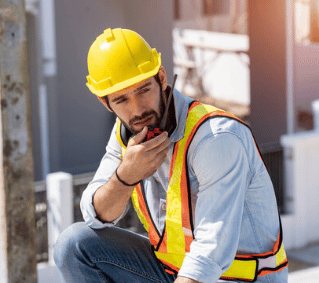
Failure to recognize and communicate hazards involving chemicals or unsafe conditions can result in numerous injuries and fatalities from burns, TBIs, or explosion accidents.
Improper Crane Use
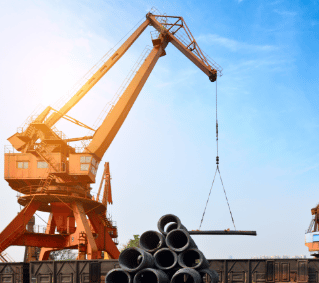
Whether it’s a fallen load or getting hit by a swinging radius, a lack of proper inspection and operation of cranes can be fatal. At least 44 people die in crane-related accidents in the U.S. every year.
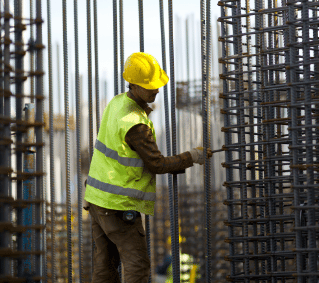
Lack of Head Protection
Failure to wear protective headgear when working on a construction site can result in a traumatic brain injury (TBI) or, worse, death; this is especially the case when a worker’s head comes in direct contact with a falling or fixed object.
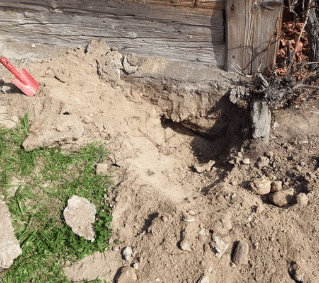
Poorly Constructed Trenches
Despite being one of the most common tasks on a construction site, poorly constructed or unprotected trenches account for dozens of injuries and fatalities each year. Unsafe trench conditions that workers typically encounter include unsecured walls, lack of sloping, and shielding or trench boxes.
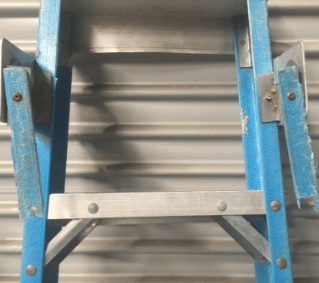
Faulty Ladders
As mentioned earlier, improperly secured or otherwise faulty ladders pose a natural safety hazard to unsuspecting construction staff. If supervisors fail to inspect ladders as required by OSHA, the risk increases significantly.
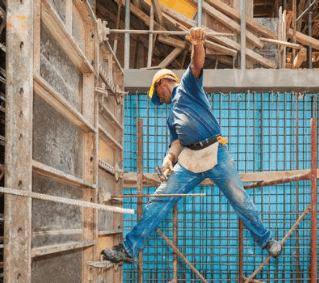
Improper Scaffolding Use
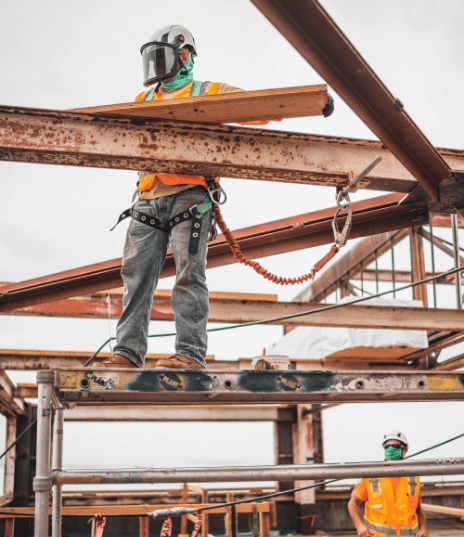
If not used or assembled correctly, scaffoldings can pose a risk of spine injury or death to a construction crew. The risk increases even further when employers do not provide workers with a body harness for protection.
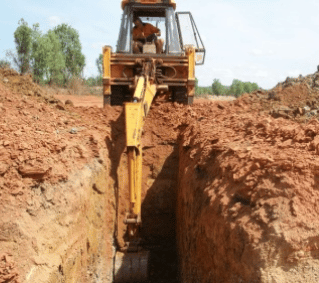
Inadequate Equipment on Excavation Sites
Falling loads, improper use of machinery, or a lack of personal protective equipment may increase the likelihood of accidents in excavation sites.
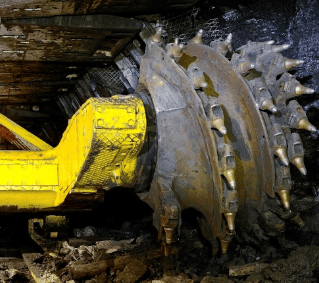
Inadequate Training on Machinery Operation
According to OSHA, 100 employees are killed and 95,000 injured while operating forklifts and other heavy machinery. Most of these accidents are a direct result of using forklifts without proper training.
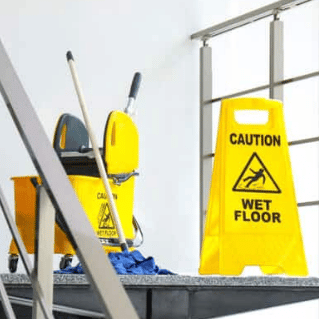
Improperly Maintained Stairways
With a comprehensive safety guide like this one, employees can avoid future injuries. The guide can act as a trusted reference point, offering a constant reminder of the following:
- Materials to avoid (i.e., asbestos and lead)
- Protective gear to wear
- OSHA regulations to uphold
- Ultimately, construction sites will become safer, more productive places to be.
Construction Safety Rules and Standards
In this section, we’ll look at OSHA’s most frequently cited standards in construction.
Construction employees need to use a protective system for trenches 1 foot deep or greater. It’s important to note that OSHA standards are NOT the same in every state. According to section 18 of the Occupational Safety and Health Act of 1970, states can administer their health and safety programs. These are also called State Plans, and they must still meet the minimum federal requirements. At least 22 states in the United States have their own OSHA standards, including Michigan, California, Washington, Virginia, and Maryland.
Fall Protection – 1926.501
The agency requires fall protection at elevations of 6 feet. Their protection guidance document details installing floor joists, ridge poles and rafters, roof trusses, walls, subfloors, roofing, and more.
Scaffolding – 1926.451
OSHA warns against the improper usage of scaffolds. The agency’s Scaffolding eTool can provide further requirements for specific types of scaffolding, including supported, suspended, aerial lifts, and scissor lifts.
Ladders – 1926.1053
OSHA urges workers to avoid ladders with metallic components near electrical work and power lines. The ladder standards provide further insight on this, as it addresses every type of ladder from fixed to portable and each element from steps to rungs to cleats.
Hazard Communication – 29 CFR 1910.1200
This OSHA standard creates obligations for employers to use hazardous chemicals in the workplace. It requires employers to generate and implement written hazard communication regarding asbestos, lead, zinc, mercury, and even dust.
Eye and Face Protection – 1910.133
The hazards highlighted in this standard include the impact of flying objects, chemicals, heat, optical radiation, and harmful dust. OSHA also provides an online tool for selecting PPE.
Head Protection -1915.155
Again, employers need to determine the type of protection required, provide that protection, provide any necessary training, and ensure the safety equipment on the construction site.
Electrical Safety – 1910.303
OSHA requires employers to check all electrical tools and equipment regularly for defects.
Equipment Needed for Safety Security
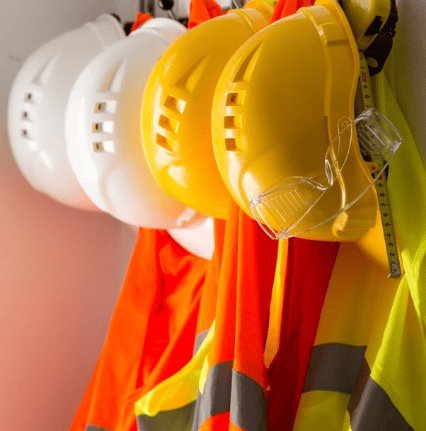
When protecting workers at a job site, personal protective equipment (PPE) is the best option. Here is some standard safety gear that workers must have:
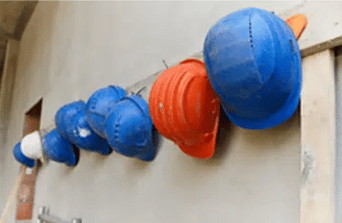
Hard Hats or Safety Helmets
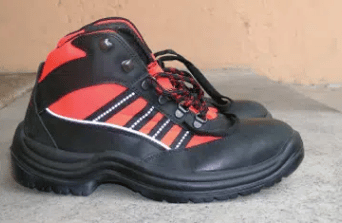
Safety Shoes

High-Vis Vests

Protective Gloves
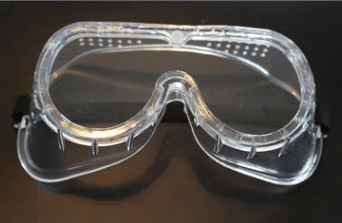
Goggles

Ear Muffs or Ear Plugs
Safety Tips
Like we mentioned earlier, OSHA’s regulations are helpful but sometimes not enough. Some worker safety issues need to be adequately addressed. As such, employers should consider formulating a comprehensive site safety strategy that encompasses all imaginable aspects of on-site security and safety. As a starting point, we’ve put together our top construction site safety tips.
For Employers
1
Inspect tools and equipment regularly
Employers and companies should periodically inspect equipment to ensure no malfunctions or defects.
2
Innovate proactively
The accident rate would even be higher than it is today if it wasn’t for construction firms willing to devote extra resources to keep their staff safe. The development of better safety practices should be treated as a priority and not an afterthought.
3
Encourage solid and uncompromising supervision
Employers should hire supervisors who are willing and capable of enforcing safety standards with no exceptions. This foreman should keep tabs on all employees throughout workdays and correct those who fail to commit to proper construction site safety procedures.
4
Communicate clearly
When putting together a safety plan or giving instructions to employees, employers and supervisors should use clear language that offers no room for misinterpretation or ambiguity.
For Employees
1
Wear the appropriate safety clothing
Construction workers should always have the proper boots and adequate head protection with a safety helmet. Protective eyewear and gloves can also help protect against minor on-the-job injuries.
2
Be cautious when lifting
Employees should always take care when moving or lifting heavy objects. It’s best to bend on the knee when lifting, not the back, so no added pressure is put on the joints, neck, or shoulders. It’s also vital to minimize twisting of the body when moving items and ensure the body is adequately grounded beforehand.
3
Only operate heavy equipment machinery if trained to do so
This is more or less a no-brainer. Employees who are not competent, qualified, and trained to handle heavy machinery should come nowhere near them.
4
Consider the conditions
It is essential to operate machinery with extreme caution, take extra time going up and down ladders, and wear appropriate weather gear when the environment calls for it. Cutting corners during bad weather is always a recipe for disaster.
How Can You Be Safe On a Construction Site?
Follow the safety tips in this guide like wearing protective equipment, taking precautions when using heavy machinery, and getting proper training to lessen your risk of injury on a construction site.
The Lanier Law Firm cares about construction worker safety. If you experience an injury on a construction site due to another party’s negligence, please don’t hesitate to contact an experienced personal injury attorney from our firm. We have a strong track record, and we will fight aggressively to get you the compensation you deserve.